Understanding Kenya’s Safari Seasons
Choosing the best time for Kenya safari experiences depends on the wildlife you want to see, weather preferences, and places you plan to visit. Generally, Kenya offers excellent safari opportunities throughout the year. However, the dry seasons, particularly from June to October, provide favorable conditions for wildlife viewing. During this period, animals gather around rivers and waterholes, while vegetation becomes thinner, making them easier to spot.
Wildlife Viewing During the Dry Season
Moreover, July to October is especially popular because the Great Migration reaches the Maasai Mara. Thousands of wildebeest, zebras, and other animals move across the ecosystem in search of fresh grazing. Consequently, visitors may witness dramatic river crossings and impressive predator activity. Because demand increases during these months, booking accommodation and safari packages early can help secure your preferred itinerary and travel dates.
Green Season and Fewer Crowds
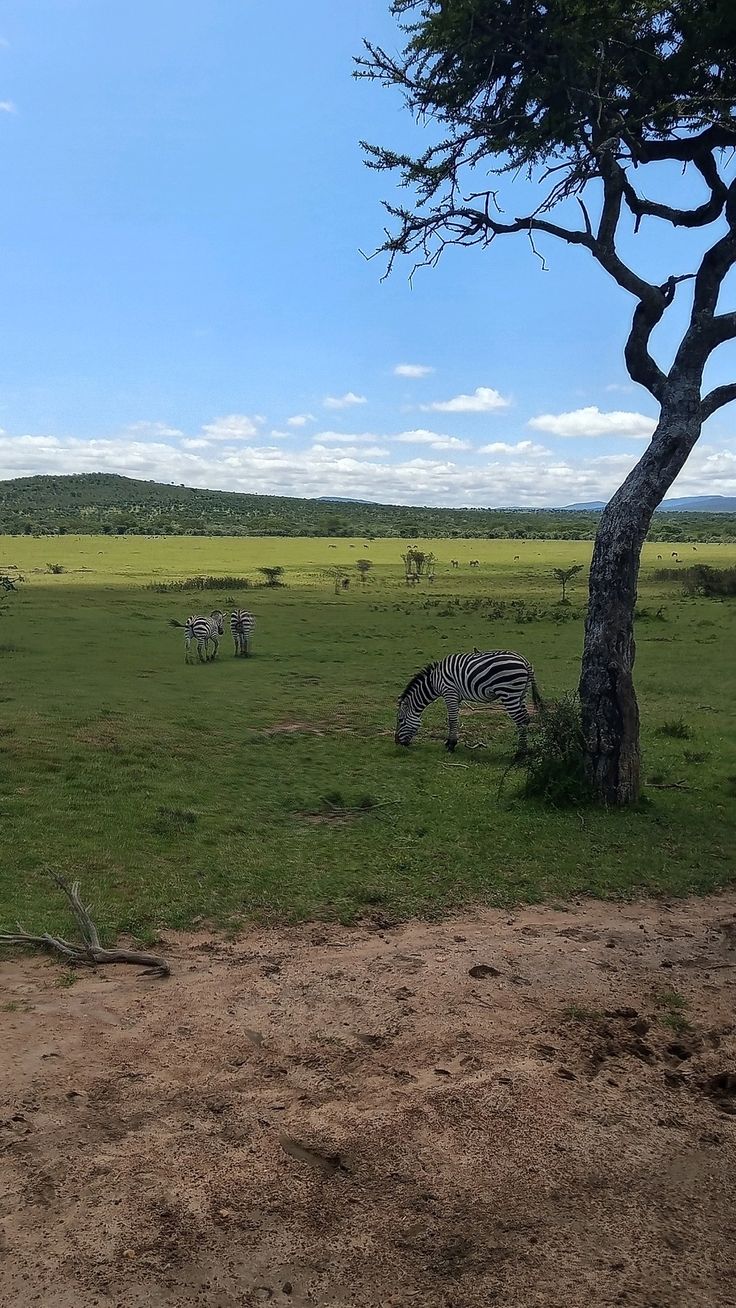
On the other hand, Kenya’s rainy seasons offer a different safari experience. From November to December and again from March to May, short and long rains transform the landscapes into lush, green environments. Therefore, this period can suit travelers seeking beautiful scenery, fewer crowds, and potentially lower accommodation rates. Wildlife remains abundant, while migratory birds also add spectacular opportunities for photography. The best time for Kenya safari travel can therefore vary depending on your priorities.
Choosing Your Ideal Safari Period
Ultimately, the best time for Kenya safari travel depends on your expectations. If you want classic dry-season wildlife viewing and the possibility of experiencing the Great Migration, June to October is an excellent period to consider. Alternatively, travelers who prefer greener landscapes, quieter parks, and potentially better value can consider the rainy months. By choosing the season that matches your interests, you can enjoy a memorable Kenyan adventure.